



Your Supplement Cheat Cheat
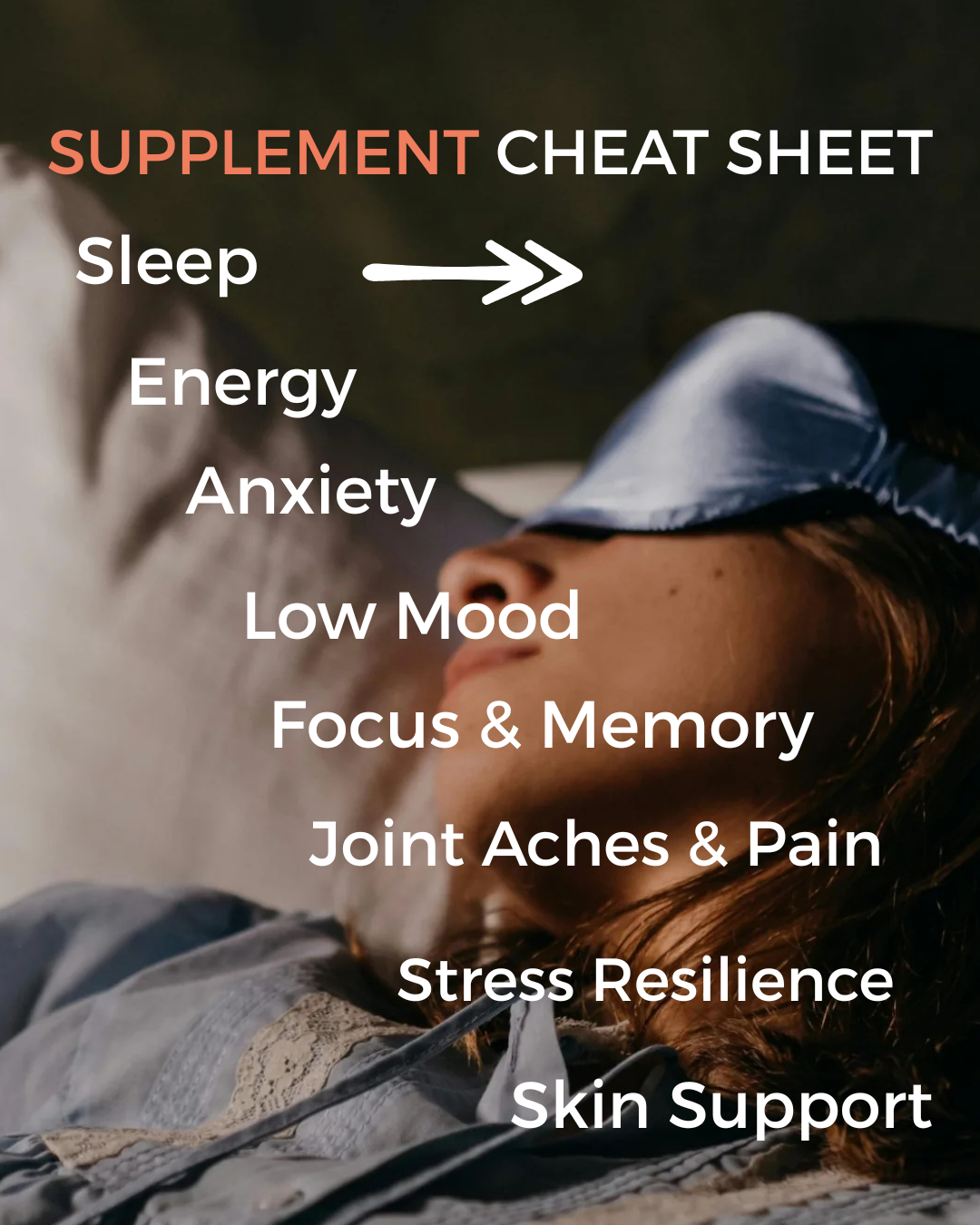
Supplement Cheat Sheet
With so many supplements available, knowing where to start can feel overwhelming. Do you need magnesium for sleep? Omega-3 for your brain? Curcumin for your joints? And what exactly is the difference between all the different forms of magnesium, vitamins and botanical extracts?
At Sow & Arrow, we believe supplements should complement the foundations of good health, nourishing food, movement, quality sleep, time outdoors and looking after your nervous system.
Our supplement cheat sheet is designed to make things a little simpler, helping you understand which nutrients and natural compounds are commonly used to support different areas of wellbeing. Whilst everyone is different and this Guide not intended as medical advice, you may find this a helpful starting place!
Sleep & Relaxation
Sleep is one of the foundations of wellbeing, yet modern life can make switching off surprisingly difficult. Supporting a good night's sleep starts with the basics, a consistent routine, a comfortable sleep environment, reducing stimulants late in the day and creating time to wind down.
Liposomal Apigenin - Apigenin is a naturally occurring bioflavonoid found in plants including chamomile. Natroceutics' APIMILE combines apigenin with an organic chamomile complex and uses liposomal delivery to support bioavailability. The manufacturer describes it as supporting sleep recovery, relaxation and a non-sedating calmative effect.
The appeal of apigenin is particularly interesting for those looking to support relaxation without necessarily wanting something that leaves them feeling heavily sedated.
Magnesium Bisglycinate - Magnesium is involved in numerous processes throughout the body, including normal muscle and nervous-system function.
For those looking for a magnesium supplement, the form matters. Terranova's Magnesium 100mg Complex provides magnesium as a bisglycinate chelate alongside other plant-based ingredients, including fresh freeze-dried green oat seed, nettle leaf and organic pumpkin seed. It is suitable for vegetarians and vegans. Magnesium can be particularly helpful for helping achieve a good night sleep, especially in those going through busy, stressful or challenging life periods.
L-Theanine & Lemon Balm - L-theanine is an amino acid naturally found in tea, particularly green tea. It is often used as part of an evening routine because of its association with relaxation and a calm state of mind.
Rather than being thought of as a traditional sedative, L-theanine is often included in sleep-focused routines to help create the conditions for relaxation and winding down before bed. This makes it particularly interesting when a busy or overstimulated mind is getting in the way of settling down.
A Simple Evening Combination
For someone looking to build a more considered evening routine, magnesium, L-theanine and apigenin are three ingredients worth exploring for their different roles in relaxation and winding down.
The aim isn't to take everything at once, but to understand what each ingredient brings to the table and choose according to your individual needs.
As always, supplements should complement, not replace, the foundations of healthy sleep: regular sleep and wake times, a calming bedtime routine, daytime movement, natural light exposure and a sleep-friendly environment.
Magnesium is a gentle support, that many people benefit from. Apigenin is a supplement that can be added alongside magnesium and may help with insomnia and those with real sleep challenges. L-theanine can be used day or night for anxiety and helping to calm a busy mind.
Supporting your Energy
Feeling energetic isn't simply about increasing caffeine and getting through the day. At a cellular level, your body needs to continually produce energy to support everything from movement to concentration. This process happens in tiny little batteries of your cells called mitochondria, that make ATP, your currency of energy.
Magnesium - Magnesium contributes to normal energy-yielding metabolism and is therefore an important mineral to consider as part of a balanced nutritional approach.
Creatine Monohydrate - Creatine is best known for its role in exercise and physical performance and is involved in the body's energy production systems. It may be particularly interesting for people who want to support physical performance alongside their broader approach to energy and wellbeing. Creatine not only supports the mitochondria in producing energy, but also supports the structural integrity of the mitochondria.
Coenzyme Q10 - CoQ10 is involved in mitochondrial energy production and is naturally present in the body. It is often included in supplement routines focused on cellular energy and healthy ageing.
Low Mood & Motivation
Mood is influenced by an enormous range of factors, sleep, stress, movement, nutrition, relationships and life circumstances all matter. Supplements should therefore be viewed as part of the bigger picture rather than a replacement for professional support.
Omega-3 Fatty Acids - Omega-3 fatty acids are important components of cell membranes and play roles throughout the body, including the brain. They are commonly included in nutritional routines designed to support brain and cardiovascular health. Many people are low omega-3 fatty acids and therefore adding a high quality Omega Supplement can be a simple way of supporting mood and many other aspects of health – such as cardiovascular health and immune function.
Saffron Extract - Saffron has a long history of traditional use, and modern research has explored its potential role in mood and emotional wellbeing. For anyone interested in saffron, choosing a quality, appropriately standardised extract such as the Natroceutics Saffron is important to ensure optimal absorption and effectiveness.
Creatine Monohydrate - Creatine isn't just an exercise supplement. Because creatine is involved in cellular energy metabolism, it has also attracted interest beyond sports nutrition, including in relation to brain function and cognitive performance.
Anxiety, Calm & Stress
When life feels relentlessly busy, supporting the nervous system can become a priority.
L-Theanine & Lemon Balm - L-theanine is an amino acid naturally found in tea, while lemon balm is a traditional botanical associated with relaxation. Together, they can be an appealing option for people looking to support a calmer state without making their routine overly complicated.
Magnesium - Magnesium is another ingredient frequently considered when supporting relaxation and normal nervous-system function. It is especially helpful when stress levels are consistently high.
Focus & Memory
Good cognitive performance depends on much more than taking a single supplement. Sleep, hydration, movement, nutrition and stress management all have an important role to play. That said, certain nutrients and natural compounds are particularly interesting when it comes to brain health.
Creatine Monohydrate - Creatine supports the body's energy systems and has become increasingly interesting beyond sports nutrition. After 4-5 weeks of consistently taking creatine, the benefits begin to move beyond muscle and onto brain support. Improved short term memory is one of the documented brain benefits for creatine, which is very helpful for those with brain fog and challenges with focus and memory.
Omega-3 Fatty Acids - Omega-3s are particularly relevant to the brain because they are important structural components of cell membranes.
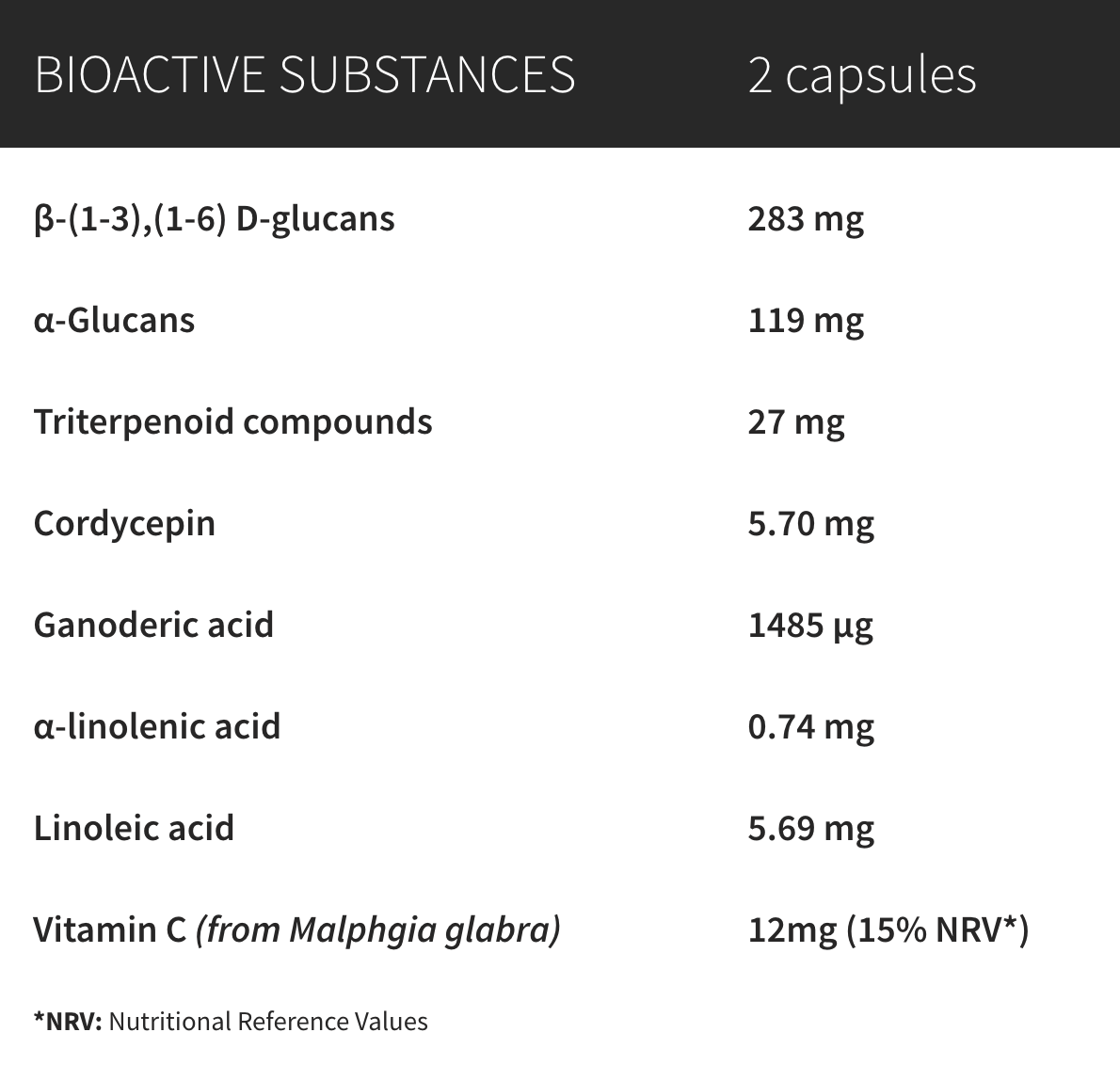
Lion's Mane - Lion's Mane is a mushroom that has attracted growing interest for its potential relationship with cognitive health and nervous-system function.
As with any botanical supplement, quality and sourcing are important consideration. View our range of high-quality, bioavailable Lion's Mane choices
Joint Aches & Everyday Comfort
Our joints have to cope with a lot, exercise, work, ageing and everyday movement. A supportive approach can include maintaining a healthy weight, staying active, building strength and eating a nutrient-rich diet.
Curcumin Extract - Curcumin is one of the best-known compounds found in turmeric. One challenge with conventional curcumin extracts is its relatively poor oral bioavailability.
Natroceutics' Curcumin Fortified combines BCM-95™ curcumin with AKBAMAX™ Boswellia serrata extract and ginger extract. The manufacturer specifically positions the combination around support for inflammatory balance and pain-related concerns. The product also highlights its approach to bioavailability, making absorption an important consideration when comparing curcumin supplements.
If you're taking regular medication, it is particularly important to check with a healthcare professional before introducing a new supplement.
Omega-3 Fatty Acids - Omega-3 fatty acids are also commonly included in nutritional routines focused on maintaining a healthy inflammatory response. Regenerative Omegas contains Ahiflower Oil, which includes the naturally occurring IL-10. This is particularly helpful for post exercise recovery and joint support.
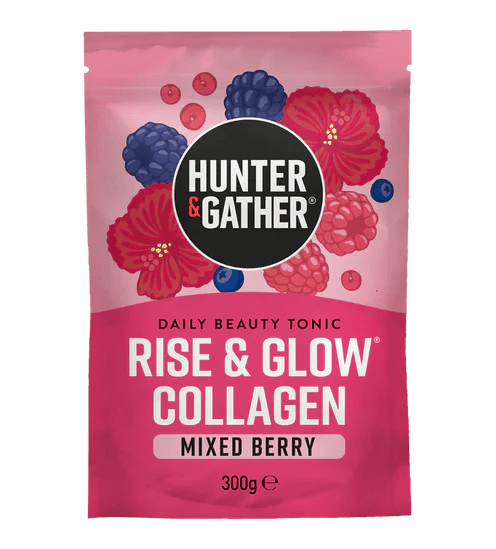
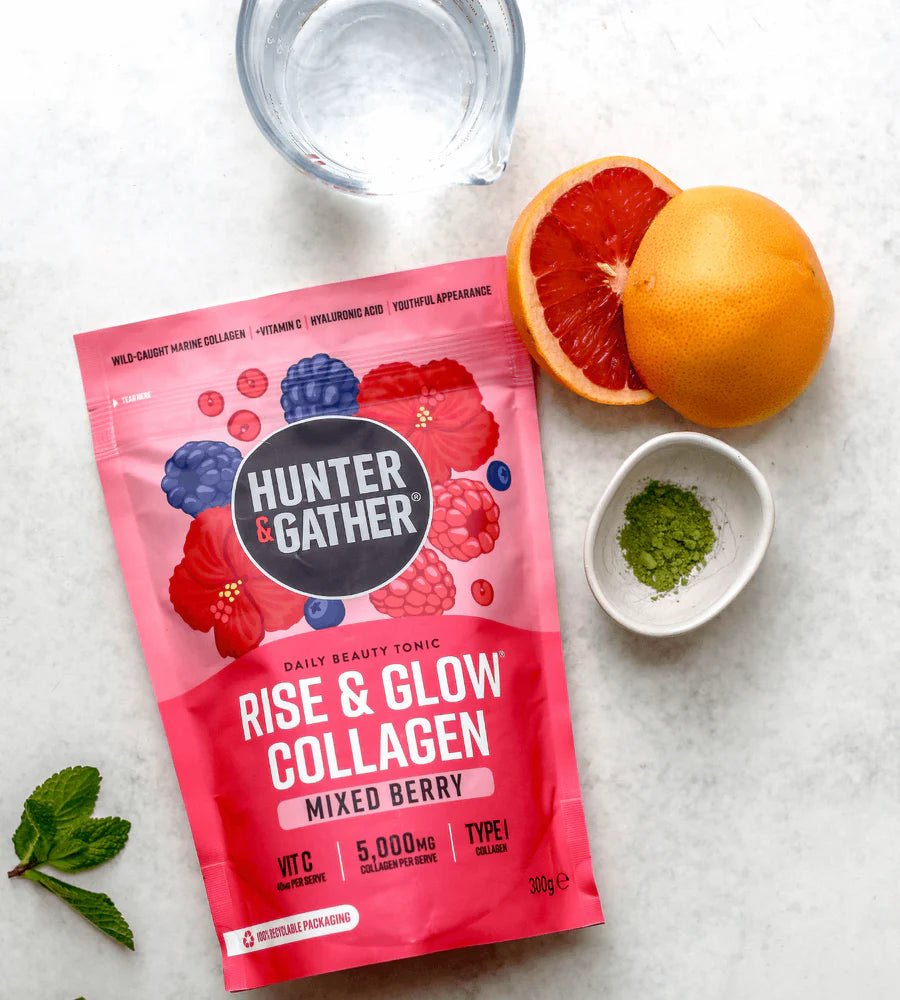
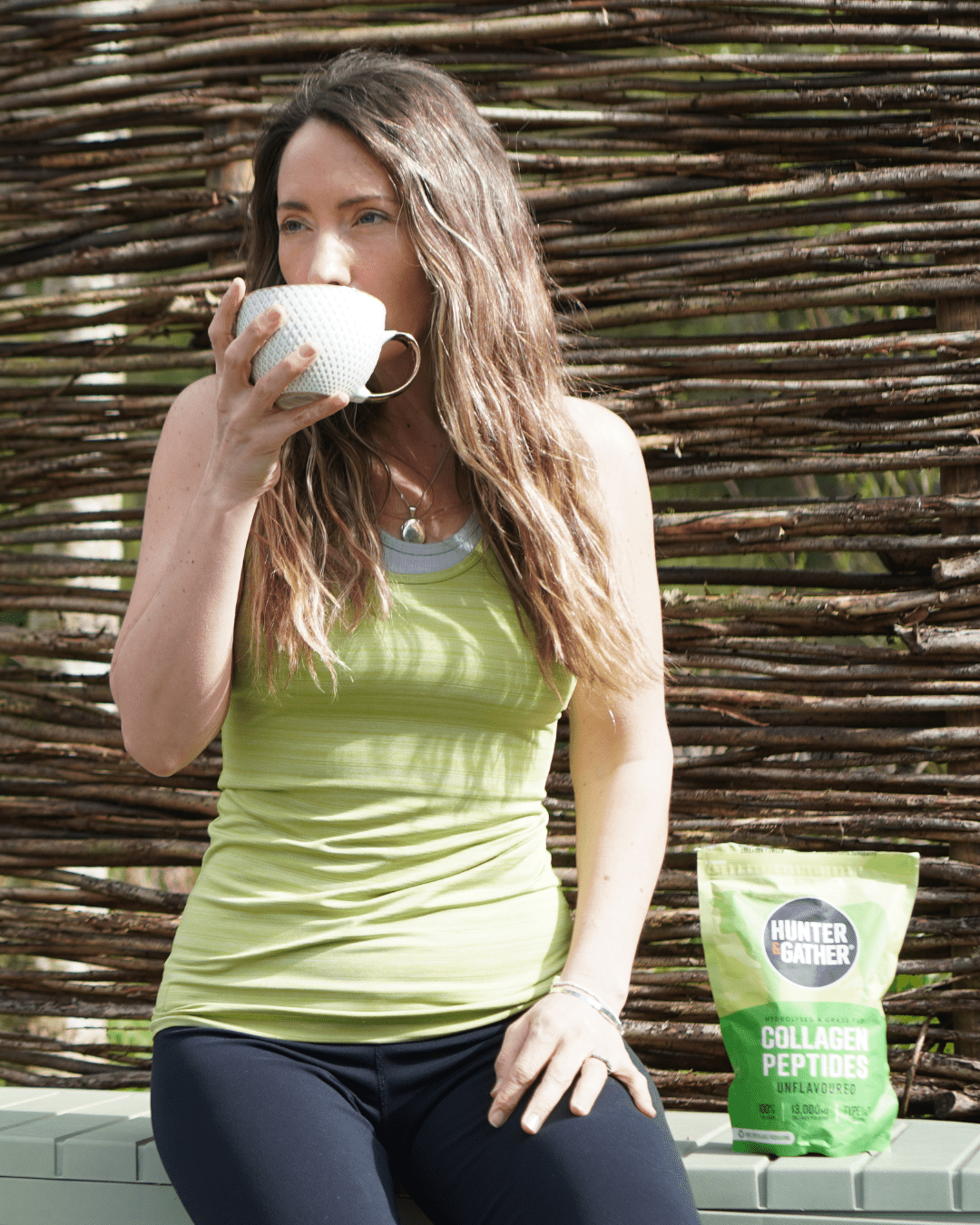
Collagen Peptides - Collagen is a major structural protein found throughout the body and is particularly relevant to connective tissue, skin and joints.
Skin Support
Healthy-looking skin starts from the inside as well as the outside. Alongside a good skincare routine, nutrition, hydration, sleep and protection from environmental stressors all contribute to skin health.
Ingredients often considered within a skin-supportive routine include topical and supplemental support. Supplemental includes:
With topical support including
- Macadamia nut oil
- Organic Castor oil
- Nano gold and platinum for collagen support and UV protection
Vitamin C is particularly interesting because it contributes to normal collagen formation, while adequate protein intake provides the amino acids needed to make collagen.
Stress Resilience
Stress isn't inherently bad, our bodies are designed to respond to challenges. The issue is when periods of stress become prolonged and recovery becomes difficult. This is where the basics matter most.
Regular movement, adequate sleep, nutritious meals, time outside, social connection and moments of genuine rest can all help create a more resilient foundation.
Supplements such as Liposomal Vitamin C, magnesium, L-theanine and omega-3 fatty acids can be considered as part of that wider approach, rather than as a substitute for addressing the causes of ongoing stress.
So, Where Should You Start?
The best supplement routine isn't necessarily the biggest one. Instead, start by asking:
What am I actually trying to support?
If your priority is sleep, which is always a good place to start, and relaxation, magnesium, L-theanine and apigenin may be ingredients worth exploring. If you're interested in energy, magnesium, creatine and CoQ10 may be relevant. For cognitive support, omega-3s, creatine and Lion's Mane are commonly considered.
Finding the supplements that support the area that is most challenging for you is a great starting place.
The Sow & Arrow Approach
Supplements can be useful tools, but they work best when they sit within a bigger picture.
Think food first, foundational habits and supplements where they make sense.
Quality matters too. Look at the ingredient forms, dosage, sourcing, bioavailability and unnecessary additives rather than simply choosing the product with the longest list of ingredients.
If you take prescription medication, are pregnant or breastfeeding, have an underlying medical condition, or are unsure whether a supplement is appropriate for you, speak with your doctor or another qualified healthcare professional before starting it.
Your wellbeing isn't a checklist. It's a process and the right supplements should support that process, not complicate it.
This article is for general educational purposes and is not intended to diagnose, treat or prevent any disease. Food supplements should not be used as a substitute for a varied, balanced diet and healthy lifestyle.
Leave a comment
All comments are moderated before being published.
This site is protected by hCaptcha and the hCaptcha Privacy Policy and Terms of Service apply.