



By Pauline Cox MSc, Functional Nutritionist, Author & Co-Founder of Sow & Arrow
When we think about protein, images of gym-goers and protein shakes often come to mind. But here's what I've learned in over a decade of studying nutrition and working with thousands of individuals: protein isn't just for athletes or those trying to build muscle. It's absolutely foundational for everyone's health and vitality.
The truth is, many of us are chronically under-eating protein without even realising it. And this silent shortfall could be at the root of the fatigue, cravings, mood swings, and stubborn weight that no amount of willpower seems to shift.
So let's dive into why protein deserves a central place on your plate, and how making a few simple changes could transform the way you feel.
Why Protein Matters More Than You Think
Protein is made up of amino acids, often called the building blocks of life, and for good reason. These remarkable molecules are involved in virtually every process in your body, from building and repairing tissues to creating hormones and enzymes that regulate everything from your mood to your metabolism.
When we don't get enough protein, the effects ripple through our entire system. Here's what chronic under-consumption can contribute to:
- Persistent fatigue: that feeling of running on empty, no matter how much sleep you get
- Low mood and brain fog: difficulty concentrating and a general sense of flatness
- Blood sugar instability: the rollercoaster of energy highs and crashes
- Relentless cravings: particularly for sugar and refined carbohydrates
- Muscle loss: which accelerates as we age and impacts our metabolism
- Bone health concerns: protein plays a crucial role in maintaining bone density
- Hormonal symptoms: from PMS to perimenopausal struggles
- Slow recovery and increased inflammation: making it harder to bounce back
Sound familiar? If you're nodding along, you're not alone. The good news is that understanding protein's role is the first step to feeling remarkably better.
Protein and Your Hormones: The Missing Link
One of the most overlooked connections in nutrition is the relationship between protein and hormonal health. This isn't just relevant for women navigating perimenopause or menopause. It matters for everyone.
Your body requires adequate protein to:
- Build hormones: Many of our key hormones, including insulin, oxytocin, and growth hormone, are peptide hormones made directly from amino acids
- Produce neurotransmitters: Serotonin (your 'happy' chemical), dopamine (motivation and reward), and GABA (calm and relaxation) all require protein precursors
- Support liver detoxification: Your liver needs amino acids to properly process and clear hormones from your system
- Stabilise blood sugar: Which in turn helps regulate cortisol, your stress hormone
- Preserve lean muscle: Essential for maintaining insulin sensitivity and hormonal balance
As we move through different life stages, our protein needs shift. During times of hormonal transition, high stress, or recovery from illness, our requirements increase significantly. This is when protein becomes not just beneficial, but genuinely protective.
The Blood Sugar Connection: Why You're Still Craving Sugar
Does this scenario sound familiar?
"I eat well, but I still crave sugar constantly."
"I'm tired, anxious, or irritable, especially mid-afternoon."
"I don't eat that much, but I can't seem to manage my weight."
Here's what might be happening: when protein intake is low, blood sugar becomes unstable. You eat, your blood sugar spikes, then it crashes, and your body responds with urgent signals for quick energy (hello, biscuit tin).
But there's another fascinating mechanism at play. Your gut actually has protein sensors that communicate directly with your brain. When these sensors detect that protein intake is insufficient, they trigger signals that increase appetite and drive you to eat more, often leading to overeating at dinner or evening snacking.
The crashes themselves trigger a cascade of symptoms: sugar cravings, anxiety, that 3pm slump, and the evening munchies that derail your best intentions.
The solution? Include quality protein with each meal. It's one of the most effective strategies for breaking the blood sugar rollercoaster and finally feeling in control of your appetite.
Protein and Body Composition: It's Not About Bulking
Let's address a common misconception: eating more protein will not make you 'bulky'. What adequate protein will do is help you maintain and build lean muscle mass, and this matters far more than you might realise.
Muscle is a metabolic organ. It burns energy even at rest, supports insulin sensitivity, and plays a crucial role in healthy ageing. After the age of 30, we naturally begin to lose muscle mass (a process called sarcopenia) and without sufficient protein and resistance exercise, this loss accelerates.
Why does maintaining muscle matter?
- Improved insulin sensitivity: Muscle acts as a 'glucose sink', helping to regulate blood sugar
- Better bone density: Strong muscles support strong bones
- Joint protection: Muscle provides stability and reduces wear on joints
- Enhanced vitality and confidence: There's something empowering about feeling strong
- Healthy ageing: Maintaining muscle is one of the best predictors of quality of life as we age
- Robust immune function: Your immune system relies on amino acids to function optimally
This isn't about aesthetics or achieving a certain look. It's about building a body that serves you well, that gives you the strength, resilience, and independence to live life fully.
How Much Protein Do You Actually Need?
The recommended daily allowance (RDA) for protein was established as the minimum amount needed to prevent deficiency, not the amount needed to thrive. For optimal health, most of us need significantly more.
General guidance:
- Aim for 1 to 1.6g of protein per kilogram of body weight daily
- During hormonal transitions, high stress, regular exercise, or recovery from illness, aim toward the higher end
- Target 25 to 35g of protein per meal
- Breakfast is particularly important: Starting your day with adequate protein sets up your blood sugar for the entire day
What does 25-30g of protein look like?
- A cooked chicken breast (approximately 90-120g)
- 180-200g of cooked edamame beans
- 250-350g of Greek yoghurt
- 4-5 large eggs
- 120-140g of cooked salmon
If those portions seem larger than what you're currently eating, you're likely among the many who would benefit from increasing your intake.
Quality, Timing, and Digestibility: Making Protein Work for You
Not all protein sources are created equal. For optimal benefit, consider:
Quality matters: Look for complete proteins that contain all essential amino acids. Animal sources (eggs, fish, poultry, meat, dairy) are naturally complete. Plant sources (legumes, tofu, tempeh, quinoa) can be combined to provide complete profiles. Many people find a blended approach works best.
Digestibility is key: If you experience bloating, heaviness, or discomfort after eating protein, it may be worth supporting your digestion. Low stomach acid (common when we're stressed) can impair protein breakdown. Bone broth, for instance, is wonderfully gentle on the digestive system while providing amino acids in an easily absorbable form.
Timing matters: Rather than loading all your protein into dinner (a common pattern), spread it evenly across the day. This supports stable blood sugar, sustained energy, and optimal muscle protein synthesis.
Easy Ways to Boost Your Protein Intake
Building more protein into your day doesn't have to be complicated. Here are some of our favourite approaches:
Start with Bone Broth
Bone broth is one of nature's most nourishing foods, a traditional staple that our ancestors understood intuitively. Rich in collagen, amino acids like glycine and glutamine, and easily absorbed minerals, it's incredibly supportive for gut health, joints, and overall vitality.
Grass-Fed Beef Bone Broth from Hunter & Gather delivers 15g of protein per serving with naturally occurring collagen, perfect for sipping, adding to soups, or using as a cooking base. For convenience on the go, the Chicken Bone Broth Powder Sachets or Beef Bone Broth Powder Sachets from Freja provide 11g of protein and 7g of collagen per serving. Just add hot water.
For something a little different, try Organic Chocolate Bone Broth or the immunity-supporting Ancient Mushroom Bone Broth from Planet Paleo. They're delicious ways to make bone broth part of your daily ritual.
Add Collagen to Your Routine
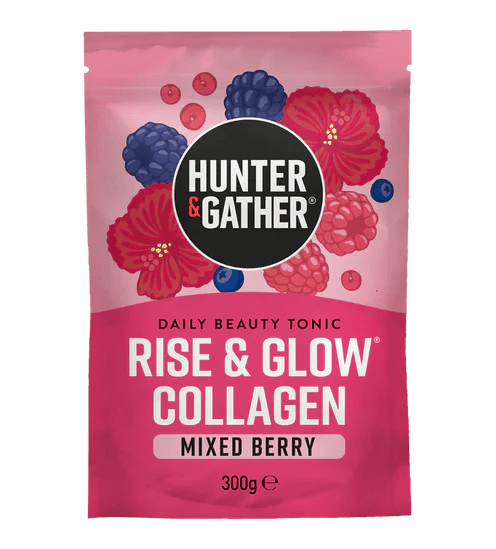
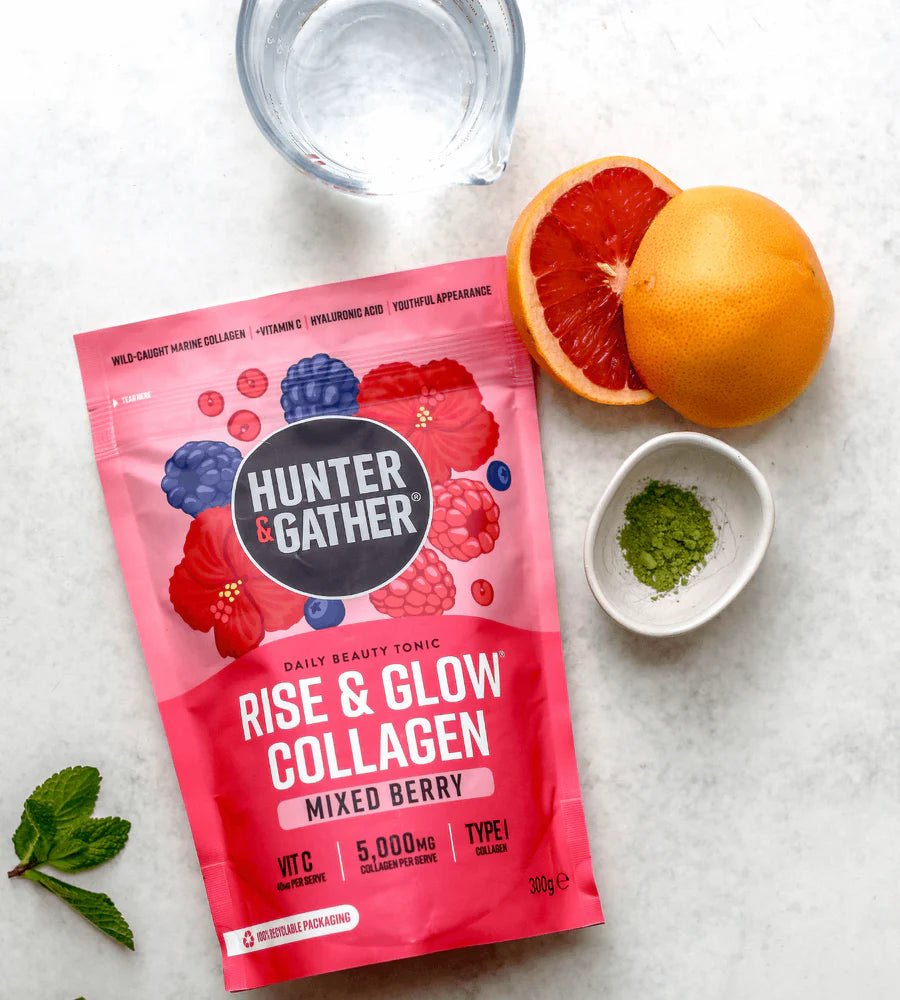
Collagen is the most abundant protein in the human body, providing structure to skin, bones, tendons, and connective tissues. As we age, our natural collagen production declines, making supplementation increasingly valuable.
Bovine Collagen Peptides from Hunter & Gather are sourced from grass-fed cattle and dissolve easily into any hot or cold drink. For those who prefer marine sources, the Marine Collagen Powder from wild-caught fish offers excellent absorption.
Keep Protein-Rich Snacks to Hand
When hunger strikes between meals, having protein-rich options available makes all the difference. The Double Chocolate Cashew Protein Bar from Foodin packs an impressive 19g of quality protein, perfect for post-workout or as a satisfying afternoon pick-me-up.
The Crunchy Collagen Protein Bars in Almond Sea Salt or Caramel Cinnamon offer 12-14g of protein including grass-fed collagen, made without additives from natural ingredients. For something lighter, the Keto Protein Balls in Salted Caramel or Peanut Butter Blondie are low in carbs and sugar but high in flavour.
We've even created our own Cheese, Bone Broth & Pumpkin Seed Muffins, savoury, satisfying, and made with real, whole-food ingredients including Hunter & Gather grass-fed bone broth.
Embrace Nut Butters
Nut butters are a delicious way to add plant-based protein along with healthy fats. Spread on low-carb bread, blend into smoothies, or enjoy straight from the jar (we won't judge).
Organic Raw Cashew Butter is stone-ground at low temperatures to preserve all its nutritional goodness. The Organic Crunchy Hazelnut Butter is toasted to perfection with a satisfying crunch, while the Organic Pistachio Nut Butter offers something truly special, packed with antioxidants and beautifully creamy.
Overcoming Common Barriers
I hear these concerns regularly, so let me address them directly:
"I'm not hungry in the morning."
This is common, and often a sign that your blood sugar and hunger hormones have adapted to skipping breakfast. Start small (even 15-20g of protein) and gradually build up. A smoothie with collagen powder or a simple bone broth can be a gentle way to begin.
"Protein feels heavy or hard to digest."
This may indicate low stomach acid or compromised digestion. Consider starting with more easily digestible forms like bone broth, collagen peptides, or well-cooked eggs. Supporting your digestion with bitter foods or you could try apple cider vinegar before meals which may also help.
"I'm too busy to prepare protein-rich meals."
This is where preparation and convenient options become essential. Keep bone broth to hand. Stock protein bars in your desk drawer. Batch-cook protein-rich meals at the weekend, even hard boiled eggs in the fridge at the ready!
"I'm worried about gaining weight."
Here's the irony: eating more protein typically leads to easier weight management, not harder. Protein is highly satiating, reduces cravings, and supports the lean muscle that keeps your metabolism healthy. When you pair protein with healthy fats and fibre, you create meals that are very satisfying!
Your Take-Home Messages
If there's one thing I want you to remember from this article, it's this: protein isn't optional. It's foundational. Here are the key points to carry forward:
- Protein is essential for hormonal health, from building neurotransmitters to supporting detoxification
- Under-eating protein is a silent stressor, contributing to fatigue, cravings, and mood challenges
- Muscle is a health asset, not just an aesthetic goal, but crucial for metabolism and healthy ageing
- Protein supports energy, mood, and metabolism. When you eat enough, you'll feel the difference
- Small changes create big results. You don't need to overhaul your diet overnight
Start where you are. Add a scoop of collagen to your morning coffee. Swap your afternoon biscuit for a protein ball. Sip bone broth while you work. These small shifts compound into significant change.
Your body has remarkable wisdom, and when you give it what it needs, it responds. Adequate protein is one of the most powerful tools you have for feeling vibrant, strong, and truly well.
Here's to nourishing yourself brilliantly, Pauline
Ready to boost your protein intake? Explore our full range of protein-rich products, all expertly selected to support your health journey. From bone broths and collagen to protein bars and nut butters, we've got everything you need to make eating well easy and delicious.

1 comment
Beautifully balanced as always – Nice One P !!!!
Don
Leave a comment
All comments are moderated before being published.
This site is protected by hCaptcha and the hCaptcha Privacy Policy and Terms of Service apply.